
VeggieVerve Knowledge Base
What is your body asking for today?
Iron Matters: Vegan Foods and Herbs to Support Healthy Iron Levels
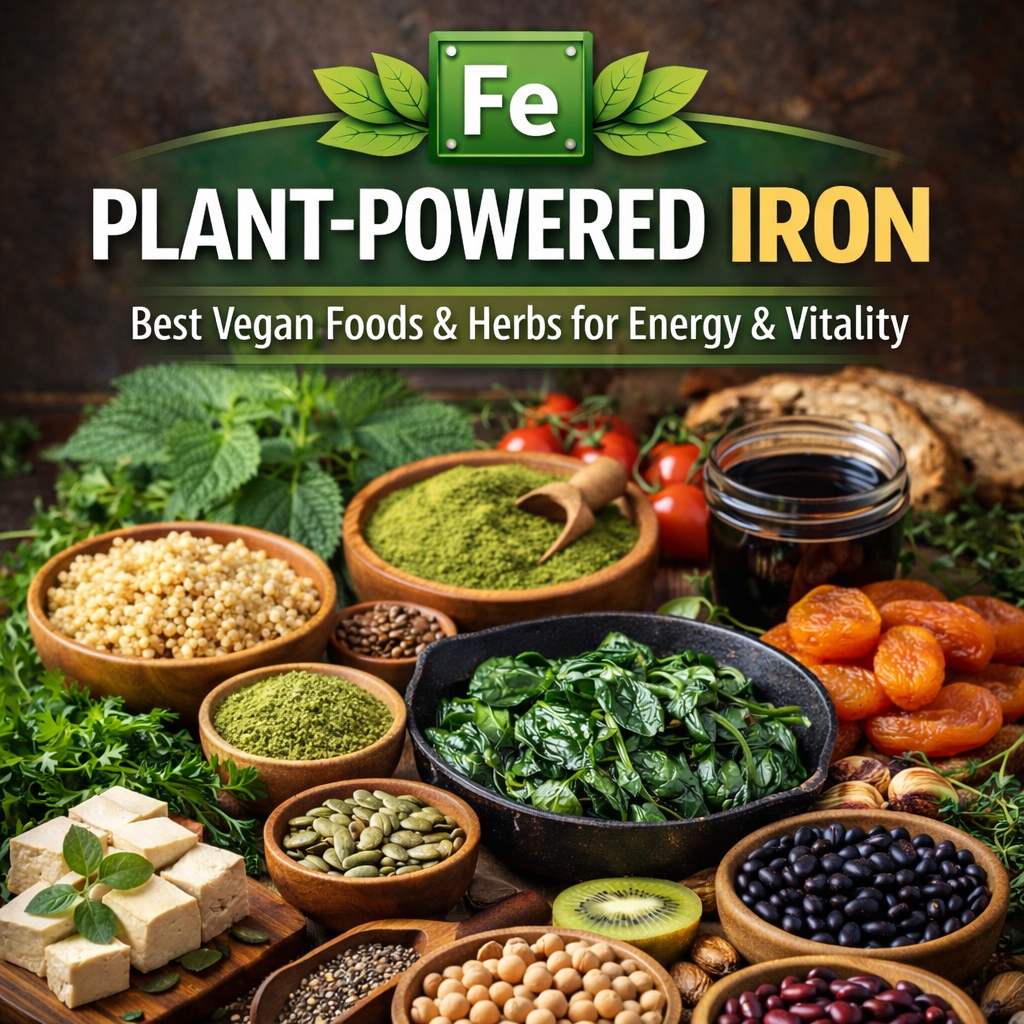
Iron is a critical mineral that plays a major role in energy, oxygen transport, and overall vitality, yet iron intake is often overlooked. This is especially important for vegetarians, vegans, and many women, who may face a higher risk of low iron status.
Why Iron Is Essential
Iron helps the body make hemoglobin, the protein in red blood cells that carries oxygen throughout the body. It also supports energy production, cognitive performance, and normal immune function. When iron intake or iron stores are too low, people may experience fatigue, weakness, poor concentration, reduced exercise tolerance, and feeling run down.
Iron Deficiency in Vegans
Vegans face unique challenges in meeting their iron needs. Animal foods contain heme iron, which is generally absorbed more efficiently. Plant foods contain non-heme iron, which can still support healthy iron intake, but absorption is more variable and depends heavily on the rest of the meal.
That is why thoughtful food choices matter. Legumes, tofu, pumpkin seeds, leafy greens, and fortified foods can all contribute meaningful amounts of iron. Pairing these foods with vitamin C-rich produce can further support absorption.[1][2][3]
For some people, even careful planning may not be enough to maintain ideal iron levels. In those situations, a well-chosen iron supplement may help fill the gap.
Women and Iron: A Common Concern
Women of childbearing age are more likely to have low iron stores because of menstrual blood loss. Iron needs also increase during pregnancy. When iron intake does not keep up, symptoms may include tiredness, dizziness, headaches, shortness of breath, and reduced stamina.
Iron deficiency remains one of the most common nutrient deficiencies worldwide, so maintaining adequate intake is an important part of supporting daily energy and long-term wellness.[1]
Iron-Rich Vegan Foods and Herbs
A plant-based diet can absolutely provide iron, especially when it includes a variety of iron-rich foods on a regular basis. Good vegan sources of iron include:
- Legumes such as lentils, chickpeas, black beans, kidney beans, and soybeans
- Soy foods such as tofu, tempeh, and edamame
- Seeds such as pumpkin, sesame, and hemp seeds
- Whole grains such as quinoa, amaranth, oats, and iron-fortified cereals
- Leafy greens such as spinach, Swiss chard, and kale
- Other plant foods such as dried apricots, raisins, and blackstrap molasses
Some herbs can also contribute iron, especially when used regularly in smoothies, soups, broths, teas, or green powders. While herbs are usually consumed in smaller quantities than staple foods, they can still add nutritional value to an iron-conscious diet.
- Moringa leaf – often used in powders and functional blends; research has explored its nutrient density and potential role in supporting hemoglobin levels.[4]
- Nettle leaf – traditionally used as a food herb and tea; studies describe nettle as a source of minerals including iron.[5]
- Thyme – a culinary herb with notable mineral density; research has reported meaningful iron content in thyme and related herbs.[6]
- Parsley – a flavorful herb that adds more than taste, with research discussing its nutritional and mineral value.[7]
How to Improve Iron Absorption on a Vegan Diet
Because plant iron is non-heme iron, absorption can often be improved with a few simple habits:
- Pair iron-rich meals with vitamin C-rich foods such as citrus, strawberries, kiwi, bell peppers, tomatoes, or broccoli
- Use food preparation methods like soaking, sprouting, fermenting, or cooking legumes and grains
- Try not to drink tea or coffee with iron-rich meals if iron status is a concern
- Be mindful that large amounts of calcium taken with iron-rich meals may reduce absorption in some cases
Scientific research supports the idea that vitamin C can enhance the absorption of non-heme iron, which is especially relevant for vegetarian and vegan diets.[1][2][3]
Note: If you suspect low iron or iron deficiency anemia, testing with a healthcare professional is the best way to determine whether dietary changes alone are enough or whether supplementation is appropriate.
References
- NIH Office of Dietary Supplements – Iron Fact Sheet for Health Professionals
- NIH Office of Dietary Supplements – Vitamin C Fact Sheet for Health Professionals
- Review on vegetarian diets and iron status
- Moringa leaf research review
- Nettle leaf research review
- Thyme research study
- Parsley research review
- Choosing a selection results in a full page refresh.
- Opens in a new window.